
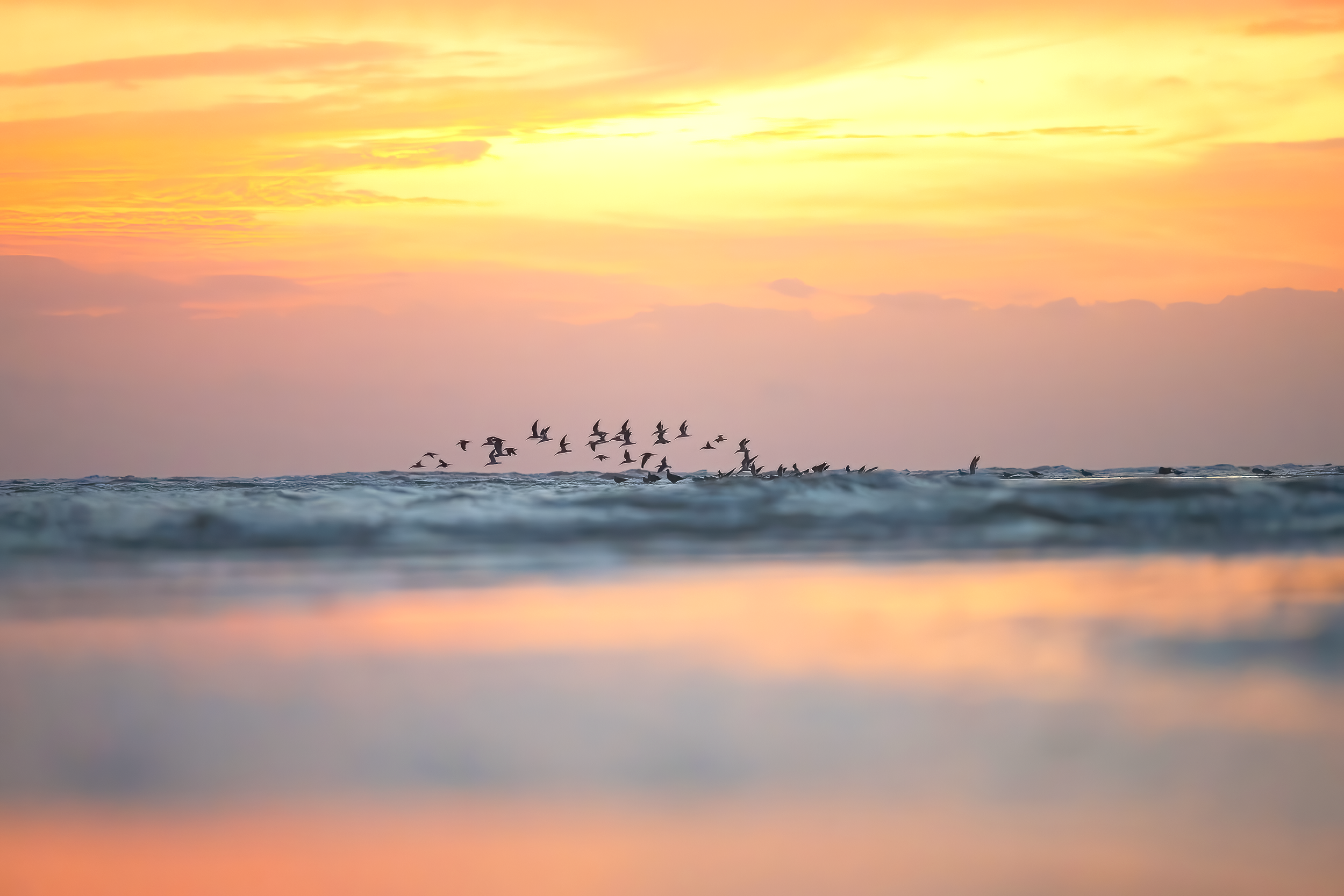
Twitcher’s Patch: the Birding Blog of Hilton Head Island and Beyond
Welcome to Twitcher’s Patch—a blog where passionate birders (“twitchers”) and nature lovers can discover the magic of their favorite birdwatching spots (“patches”) across Hilton Head Island, the Lowcountry and beyond.
Here, you’ll find stories, tips, and field notes inspired by the region’s extraordinary diversity—over 330 bird species thrive in habitats ranging from sandy beaches and lush forests to protected wetlands and vibrant marshes. Whether you’re searching for the perfect shot, planning your next birding adventure, or simply curious about the unique charm of Lowcountry wildlife, this blog is your guide to unforgettable experiences, ethical birding, and creative photography in one of America’s premier birding destinations.
You’ll also find tales from my birding travels beyond the Lowcountry, as I seek out new species and inspiring landscapes across the country.
Let’s explore the wonders of Hilton Head and beyond—one patch, one bird, and one story at a time.
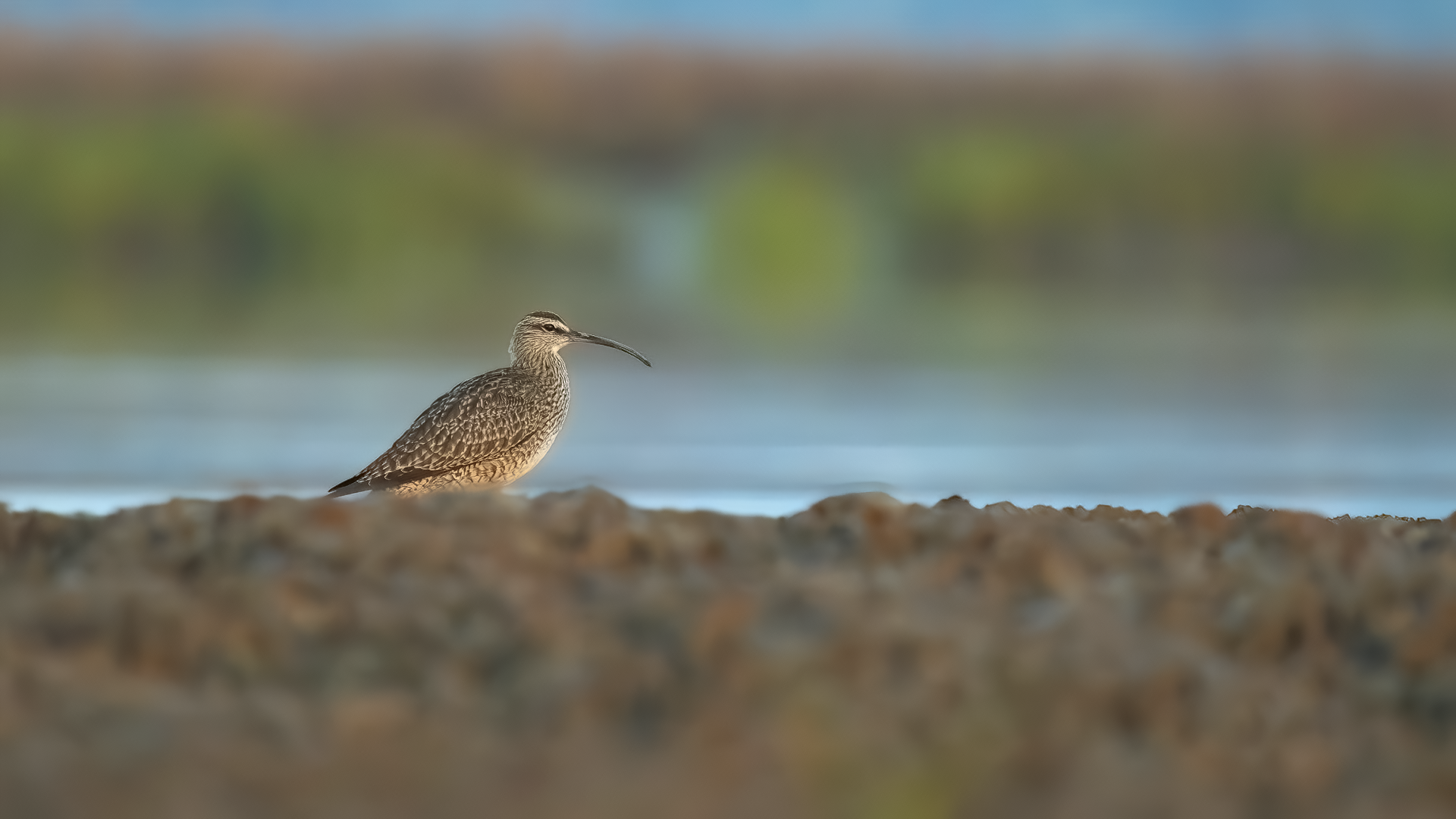
Following the Tide: Whimbrels, Monkey Island, and Spring Migration in the ACE Basin
Experience spring migration in South Carolina’s ACE Basin on a sunrise boat trip to Otter Island and Morgan Island. Photograph Whimbrels, migrating shorebirds, rhesus monkeys, and smoky Lowcountry skies from the water.
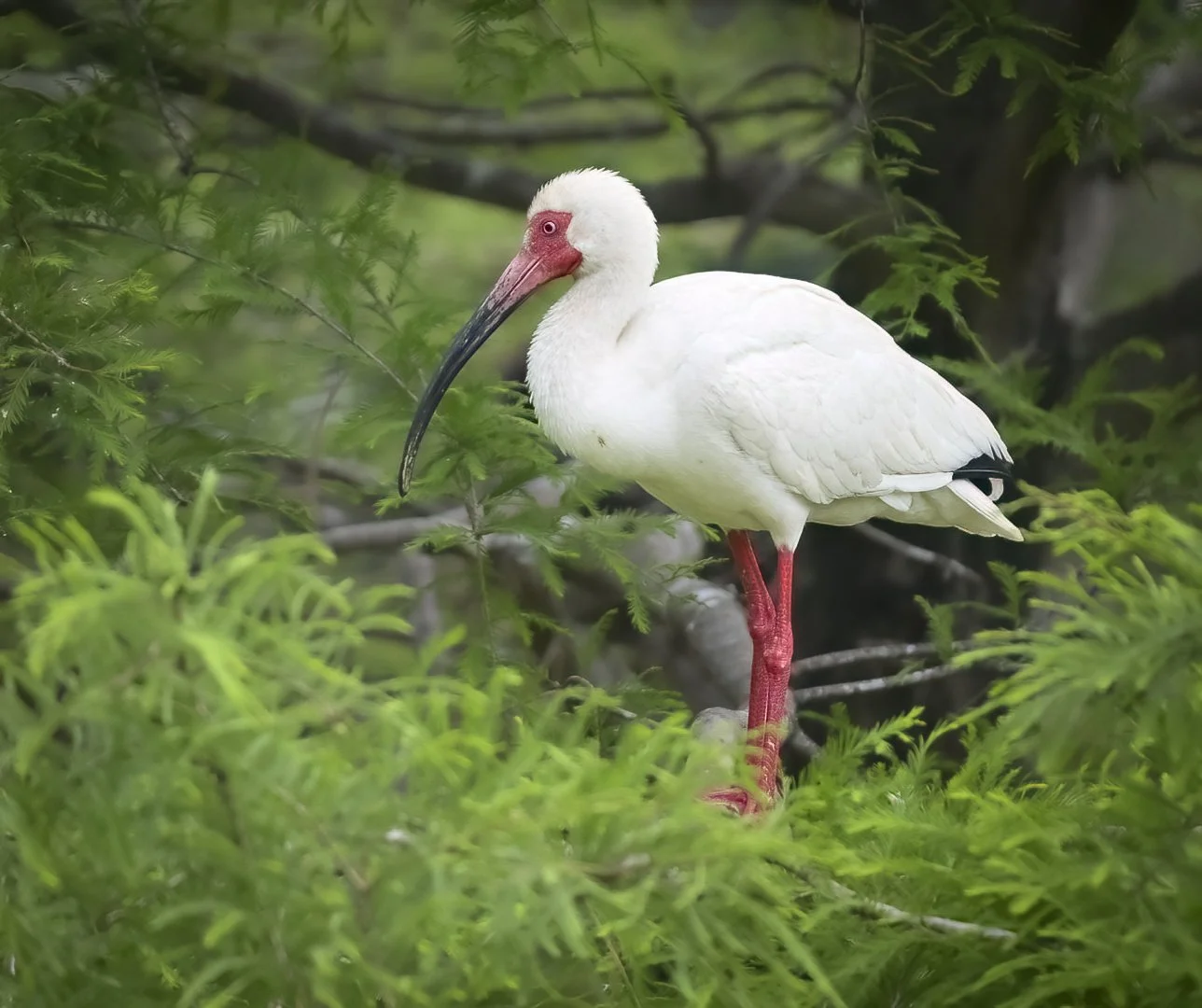
White Ibis at Ibis Pond: Breeding Season at Pinckney Island
During breeding season, White Ibis gather in large nesting colonies across the South Carolina Lowcountry. In this post, I visit Ibis Pond at Pinckney Island National Wildlife Refuge, where hundreds of White Ibis filled the palm hammock and understory beneath the palmettos. Alongside Little Blue Herons, Tricolored Herons, and Boat-tailed Grackles, the rookery was alive with movement, vocalizations, territorial behavior, and nesting activity. This post explores the experience of photographing and observing a Lowcountry rookery during peak breeding season.
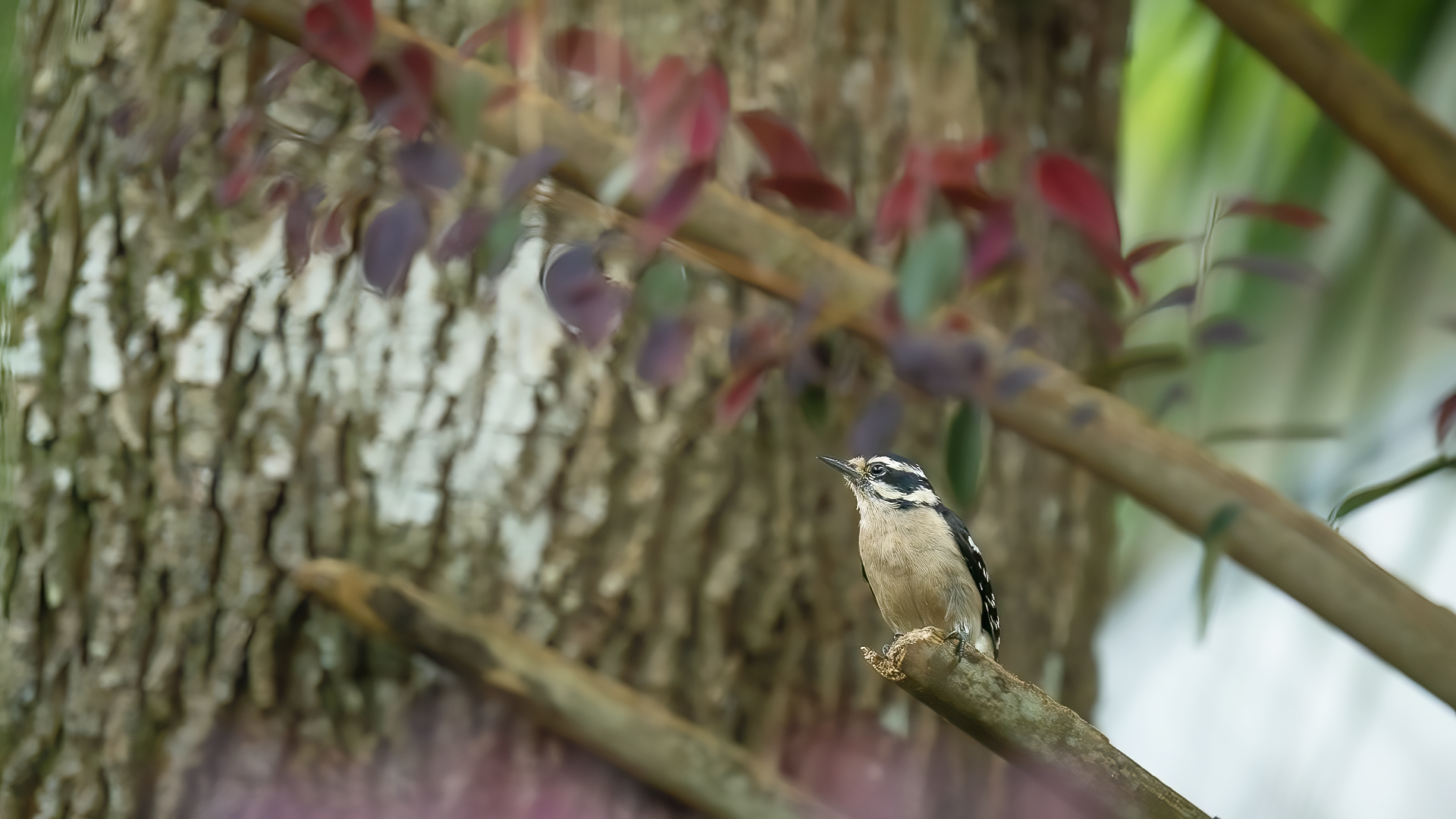
Earth Day in the Backyard: Letting the Wild Feed the Birds
Explore backyard birds in spring through Earth Day field notes from Hilton Head Island, and see why native trees, caterpillars, and water matter more than seed for nesting birds—a lesson that holds true in backyards everywhere.
Winter Visitors on the Pinckney Island NWR Ponds
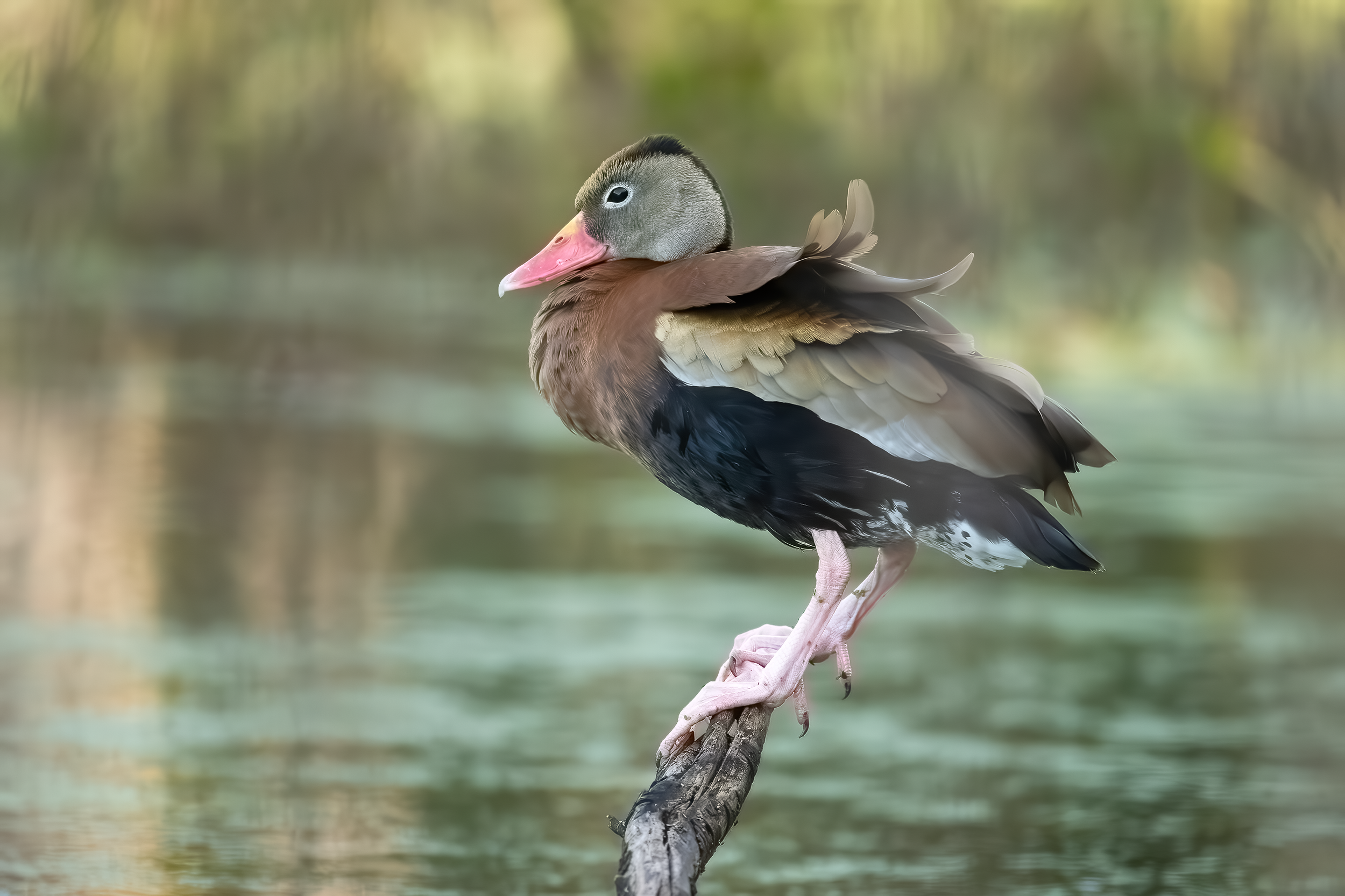
This field-note birding walk on Pinckney Island NWR, from the Main Trail to Ibis, Starr, and Osprey Ponds, as winter birds settle in. Hooded Mergansers, American Coots, Pied-billed Grebes, cormorants, kingfishers, and small songbirds.


Tides, Winds, and Egrets: A Post-Hurricane Marsh Experience
After Hurricane Milton passed offshore, I found myself immersed in a rare, up-close encounter with two egrets feeding in a storm-swept marsh. As the tide receded, Snowy and Great Egrets feasted on large shrimp, pushed inland by the surge, circling just feet from my lens. In 'Tides, Winds, and Egrets: A Post-Hurricane Marsh Experience,' I share the stunning details of this unforgettable moment in nature.
Shelter from the Storm: Shorebirds, Seabirds and more
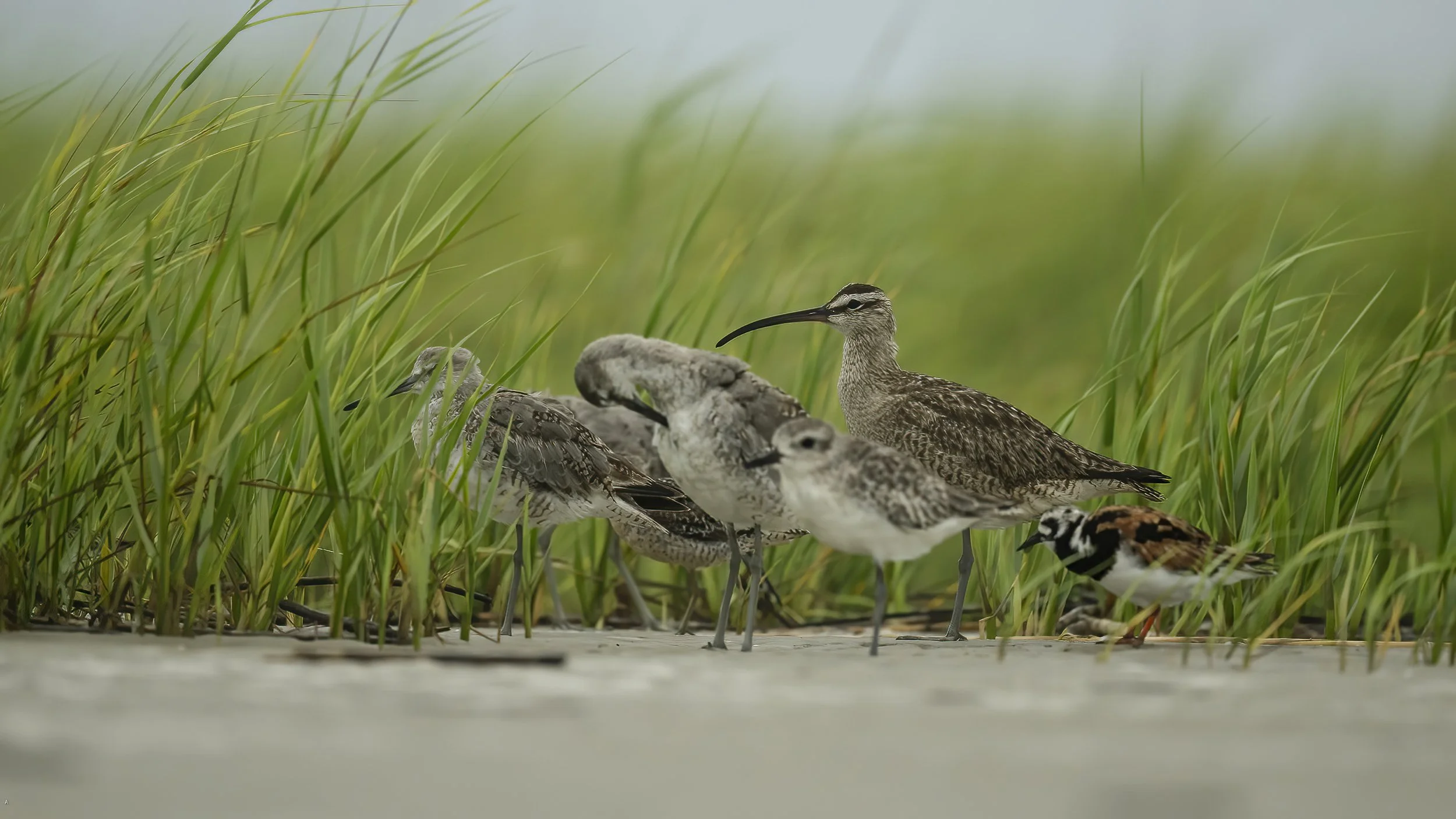
During Tropical Storm Debby, shorebirds on Hilton Head Island huddled together for shelter, with smaller species like dunlins and least sandpipers using larger birds as windbreaks. Early migrants such as whimbrels and marbled godwits were found among the flocks, highlighting the start of shorebird migration in mid-August. Seabirds, including four species of terns and Black Skimmers, also sought refuge in the marshes, demonstrating the resilience and adaptability of coastal wildlife during extreme weather.