
When I take people out birding or to photograph birds, one of the first questions they ask is: “What should I wear?” It’s a fair question. Around Hilton Head Island our conditions can be hot, humid, wet, muddy, and buggy—sometimes all in the same outing. What you experience often depends on the season, the time of day, and even the tide table.
Birding in the Lowcountry is not quite like birding anywhere else.
The conditions here shift quickly between heat and humidity, salt marsh mud and sandy beaches, mosquitoes and sudden afternoon storms. One morning you may be standing on a shell path at sunrise photographing shorebirds in cool coastal wind. By midday, you are walking through humid maritime forest under cabbage palmettos while no-see-ums find every exposed inch of skin. In winter it can feel surprisingly cool—or even downright cold. The humidity tends to amplify the chill, and when the wind picks up across the marsh or along the shoreline it can feel even colder. At other times of year the heat, humidity, and insects become the bigger challenge. Add in sudden rain showers, windy conditions, and the occasional outing in pre-hurricane weather, and you quickly learn that birding in the Lowcountry means being prepared for just about anything.
After years of photographing birds across Hilton Head Island and the surrounding Lowcountry, I’ve learned that what you wear directly affects how long you can comfortably stay outside—and how much attention you can give to the birds instead of the conditions.
The right clothing is less about looking technical and more about staying cool, dry, protected, and mobile enough to enjoy the experience.
Whether you are visiting Hilton Head for the first time or heading into the field regularly with binoculars or a camera, here is the practical clothing checklist I actually use for birding in the Lowcountry.

Laughing Gulls at sunrise on the beach
My Core Lowcountry Birding Clothing Checklist
For most outings, this is the basic setup I rely on:
Lightweight long-sleeve sun shirt
Breathable quick-dry pants
Waterproof or water-resistant footwear
Wide-brim hat
Lightweight rain shell
Bug protection
Small backpack or sling bag
Neutral-colored clothing that blends into natural surroundings
These basics handle most Lowcountry conditions, from marsh edges and rookeries to beach walks and wooded trails.
What Most Visitors Get Wrong About Birding in the Lowcountry
A few common mistakes show up repeatedly:
Wearing cotton that stays wet in humidity
Underestimating mosquitoes and no-see-ums
Wearing black clothing in intense summer heat
Bringing shoes that cannot handle mud or wet ground
Forgetting rain protection during afternoon storms
Assuming winter birding is always warm on the coast
Winter mornings along the water can feel surprisingly cold and windy, especially before sunrise during shorebird photography sessions.
Layering becomes much more important during migration seasons.
Dressing for Bird Photography
Bird photography adds another layer of practical considerations. I often dress differently when carrying camera gear for long periods or working low to the ground near shorebirds. Flexibility and mobility matter.
For photography specifically, I look for clothing that:
allows easy movement while crouching or kneeling
dries quickly after wet conditions
has secure pockets
remains comfortable during long periods of waiting
protects from sun exposure during extended sessions
Lightweight layers also help when moving between cool dawn temperatures and midday heat.
My Go-To Extras for Lowcountry Birding
A few small items regularly earn their place in my field bag:
Buff or lightweight neck gaiter
Thin gloves during winter mornings
Compact rain shell
Insect repellent wipes
Extra socks
Microfiber cloth for camera gear and binoculars
Refillable water bottle
Hydration becomes especially important during summer birding on Hilton Head. Heat and humidity build faster than many people expect.
Birding Comfort Helps You Stay Outside Longer
The best birding clothing is ultimately about comfort, not fashion.
When you are distracted by sweat, insects, wet shoes, or overheating, it becomes harder to slow down and notice behavior, movement, light, and sound. Comfortable field clothing allows you to stay outside longer and remain focused on the experience itself.
In the Lowcountry, the heat, marshes, bugs, tides, and changing weather are all part of the environment. Learning how to dress for those conditions becomes part of learning the landscape.
And often, the longer you stay outside comfortably, the more rewarding the birds become
Clothing and Shoe Basics
Lightweight long‑sleeve sun shirt (quick‑dry / breathable) (moderate price) **BEST SELLER
Quick‑dry hiking pants with zipper pockets (bonus - they come in regular, petite and tall sized) ** BEST SELLER
Wide leg Swim Pants Quick Dry UPF 50 (these are my favorite for birding and non-birding!)
Muck boots (for muddy marsh edges and wet conditions)
Wide‑brim sun hat (waterproof, packable)
Layering Essentials
Binoculars
Binoculars are labeled with numbers like 8x42 or 8x50—but what do those actually mean?
The first number (8x) is the magnification, meaning the bird appears eight times closer. The second number (42 or 50) refers to the size of the front lens, which affects how much light the binoculars let in. In practical terms, 8x42 is a great all-around choice—bright, lightweight, and easy to use for beginners.
For binoculars I recommend reading the Audubon Guide to Binoculars which lists binocular by category and all price-ranges, high-end ones used by experts to entry-level birds who don’t know where to start: linked here.
Here is a short list based on a variety of choices:
Nocs 10 × 32 ** BEST SELLER
Celestron – Compact TrailSeeker ED 8x42
ZEISS - Compact Terra ED Binoculars 8x42
Accessories
No Natz insect repellent (for gnats/no-see-ums)
Portable smartphone charger (ensure your phone stays powered for crucial field apps like Merlin Bird ID and eBird, which quickly drain battery)
Fingerless gloves (great for preventing annoying bug bites!)
Neck gaiter (one you can pull over your head to protect from bugs)
Camera rollup backpack (keeps all my stuff dry and accessible)
Dry bags (keeps gear dry, good for kayaking)
Waterproof fanny pack ** BEST SELLER
Hiking stool, lightweight and foldable ** BEST SELLER
Disclosure: This post contains affiliate links. If you purchase through these links, I may earn a small commission at no additional cost to you. As an Amazon Associate I earn from qualifying purchases.
I hope this guide helps you feel more comfortable and safe getting out into the marsh, the beach, and the forests here in the Lowcountry. Birding in the Lowcountry is incredibly rewarding—but the environment here is very much its own thing. The right clothing and a few practical accessories make your time outside far more comfortable and allow you to focus on what really matters: the birds.
If you are new to birding, read my Guide to Birdwatching for Beginners: No Experience Needed.
If you’d like to explore these habitats with a local guide, you can learn more about my guided birding and bird photography outings click here.
Hilton Head Island and the surrounding Lowcountry offer some of the best coastal birding on the Atlantic Flyway, and I’m always happy to help visitors and local residents discover the birds and habitats that make this region so special.
You can learn more about Hilton Head’s birds, habitats, and photography in my book Flight Through the Seasons, available on Amazon.
Disclosure: This post contains Amazon affiliate links. As an Amazon Associate, I earn from qualifying purchases.
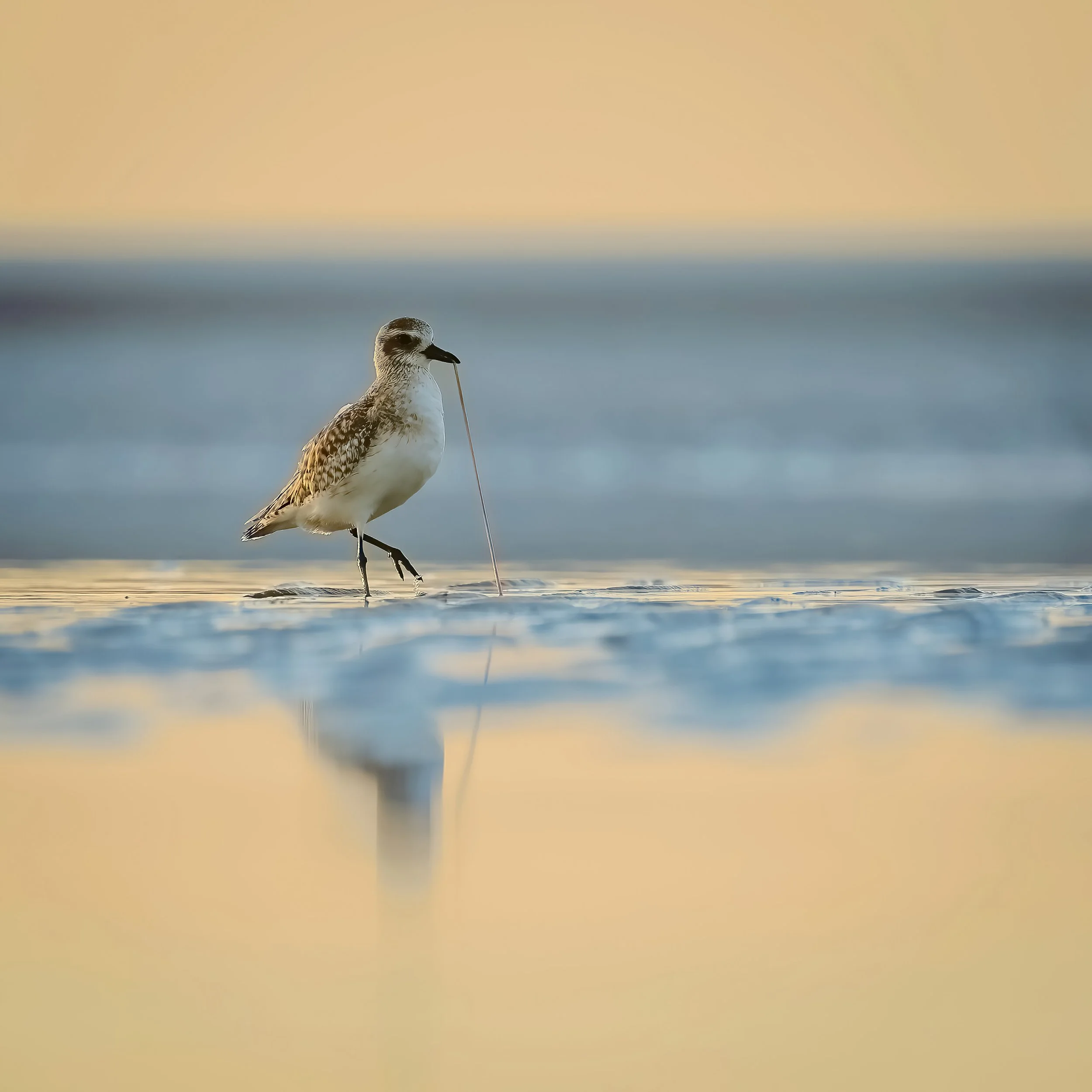
Black-bellied Plover pulling a marine worm out of the pluff mud.