
Birding for Beginners: A Practical Guide to Getting Started (and Actually Seeing More Birds)
Bird watching is often described as simple—and it is—but what’s not obvious at the beginning is how much of it comes down to learning how to look.
Most beginners assume they’re starting from zero. In reality, you’re not. You’ve likely been seeing and hearing birds your entire life—you just haven’t been naming or organizing what you notice.
This guide is designed to make that shift.
Start With What You Already Know
Before you buy anything or download an app, start here:
Take 5 minutes and write down the birds you already recognize.
Most people can name at least a few:
American Robin
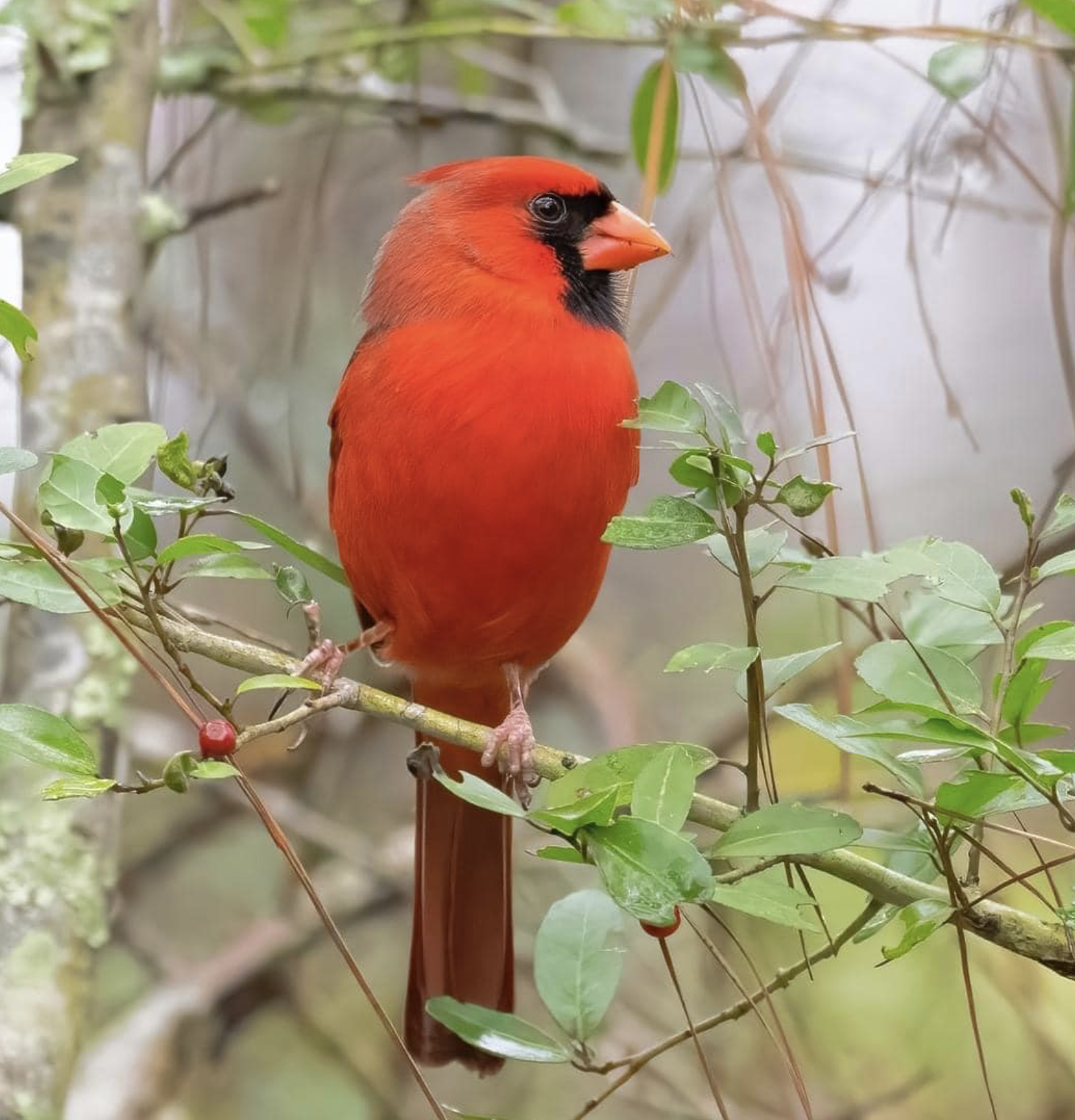
Northern Cardinal
Blue Jay
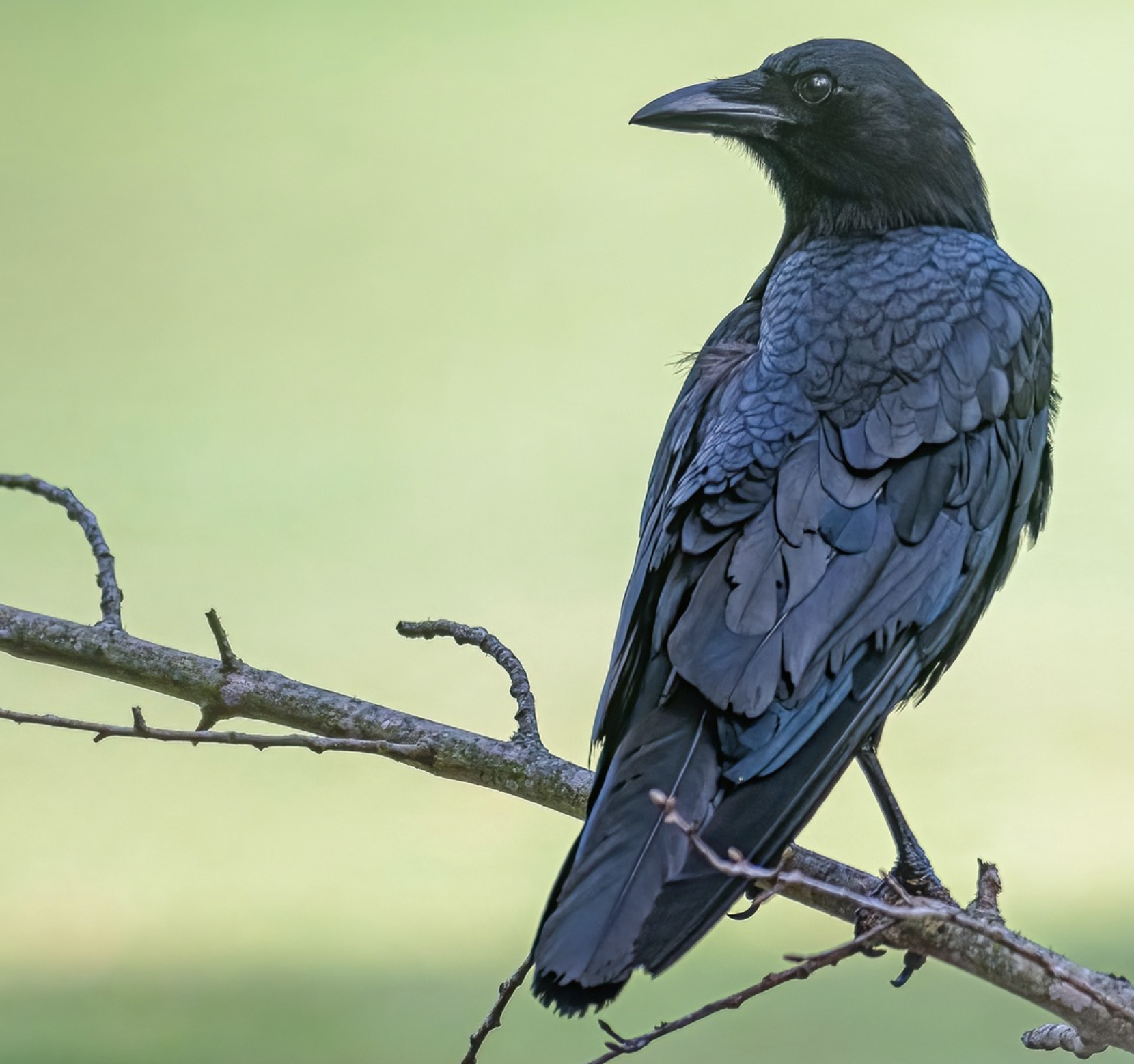
American Crow
Mourning Dove
Canada Goose
You may not realize it, but you’ve already built a foundation.
The goal of beginner birding is not to memorize hundreds of species—it’s to expand from what’s familiar outward.
👉 Optional exercise:
Add to your list over the next week. Each time you confidently recognize a bird, write it down. This becomes your starting “life list.” Tip: I am fan of Rite in the Rain Weatherproof notebooks to carry with me while birding.
What You’re Likely Seeing (Common U.S. Birds)
If you’re in the United States, many beginners encounter the same core group of species. Learning these first builds confidence quickly.
Common starting species:
American Robin
Northern Cardinal
Blue Jay
Mourning Dove
American Crow
House Sparrow
Bald Eagle (widely recognized, increasingly common in many regions)
Brown Pelican (coastal areas, highly distinctive flight and shape)
Hummingbirds (small, fast-moving, often heard before seen)
Woodpeckers (often identified by sound—drumming or tapping on trees)
Owls (less often seen, but highly recognizable by call and silhouette)
These birds are common for a reason:
Many are birds you’ll see right in your backyard or neighborhood
They adapt to a variety of habitats
They tend to be active and easier to observe
Some, like Bald Eagles or pelicans, stand out because of their size and shape. Others, like hummingbirds, woodpeckers, and owls, are often recognized by their movement or sound as much as by sight.
If you can confidently identify even half of these, you’re already birding.
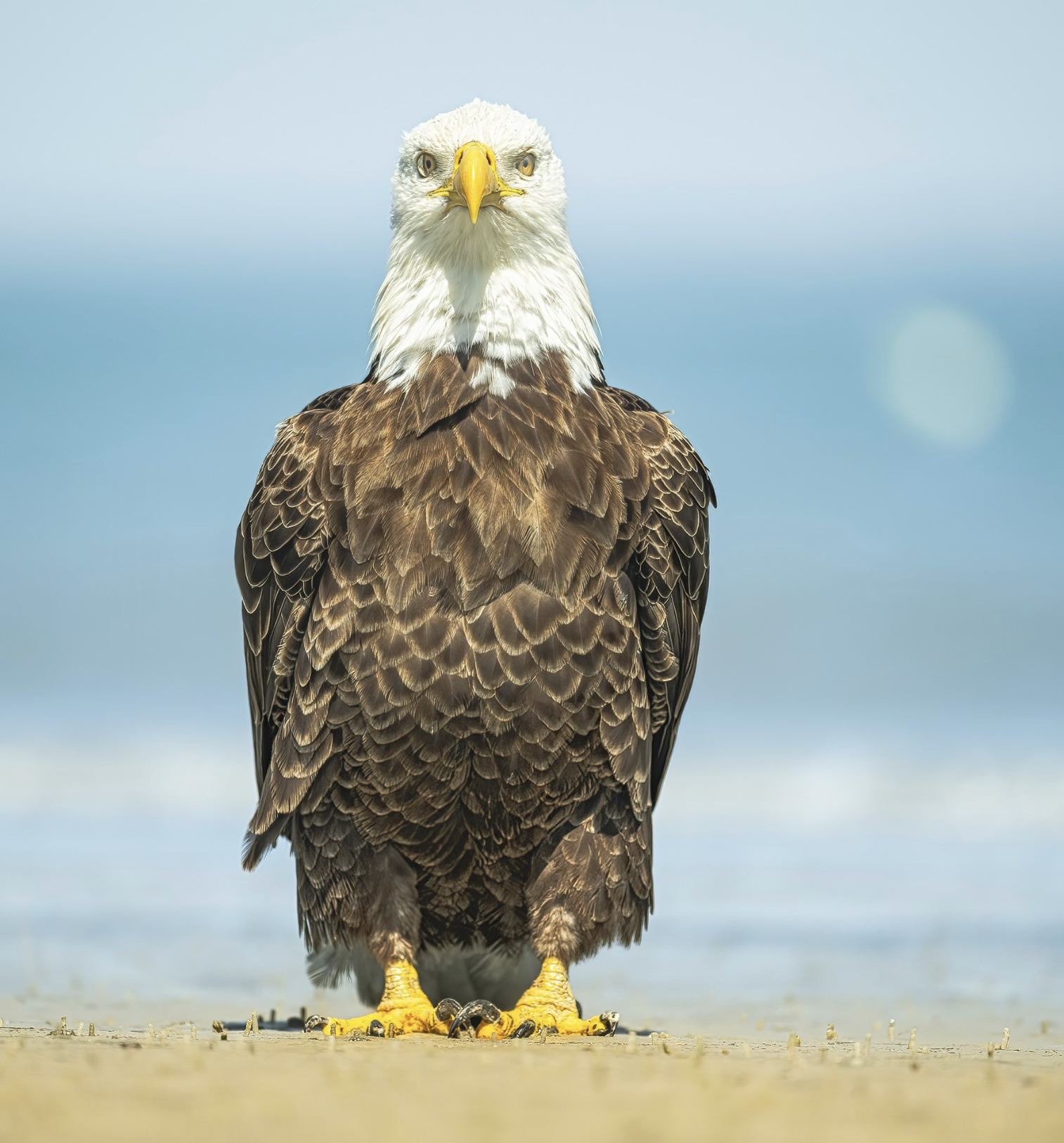
Bald Eagle
Where to Begin (Keep It Familiar)
You do not need to travel to start birding.
Start with:
Your backyard or neighborhood
A local park
A walking path you already use
What matters is not variety—it’s repeat exposure.
When you return to the same place, you begin to notice:
Which birds are always present
Which appear only at certain times
How behavior changes day to day
A practice I return to often is the idea of a “sit spot”—choosing one place and staying there long enough for the landscape to reveal itself. The longer you stay, the more you begin to see not just birds, but patterns in how they move, feed, and interact.
👉 Learn more about the Sit Spot approach to Mindful Birding - a great tool for beginning birders.
Timing: It’s Not Just Time of Day—It’s Behavior and Season
You’ll often hear that the best time to go birding is early morning or late afternoon. That’s directionally true, but it’s incomplete.
Bird activity is driven by what birds need to do:
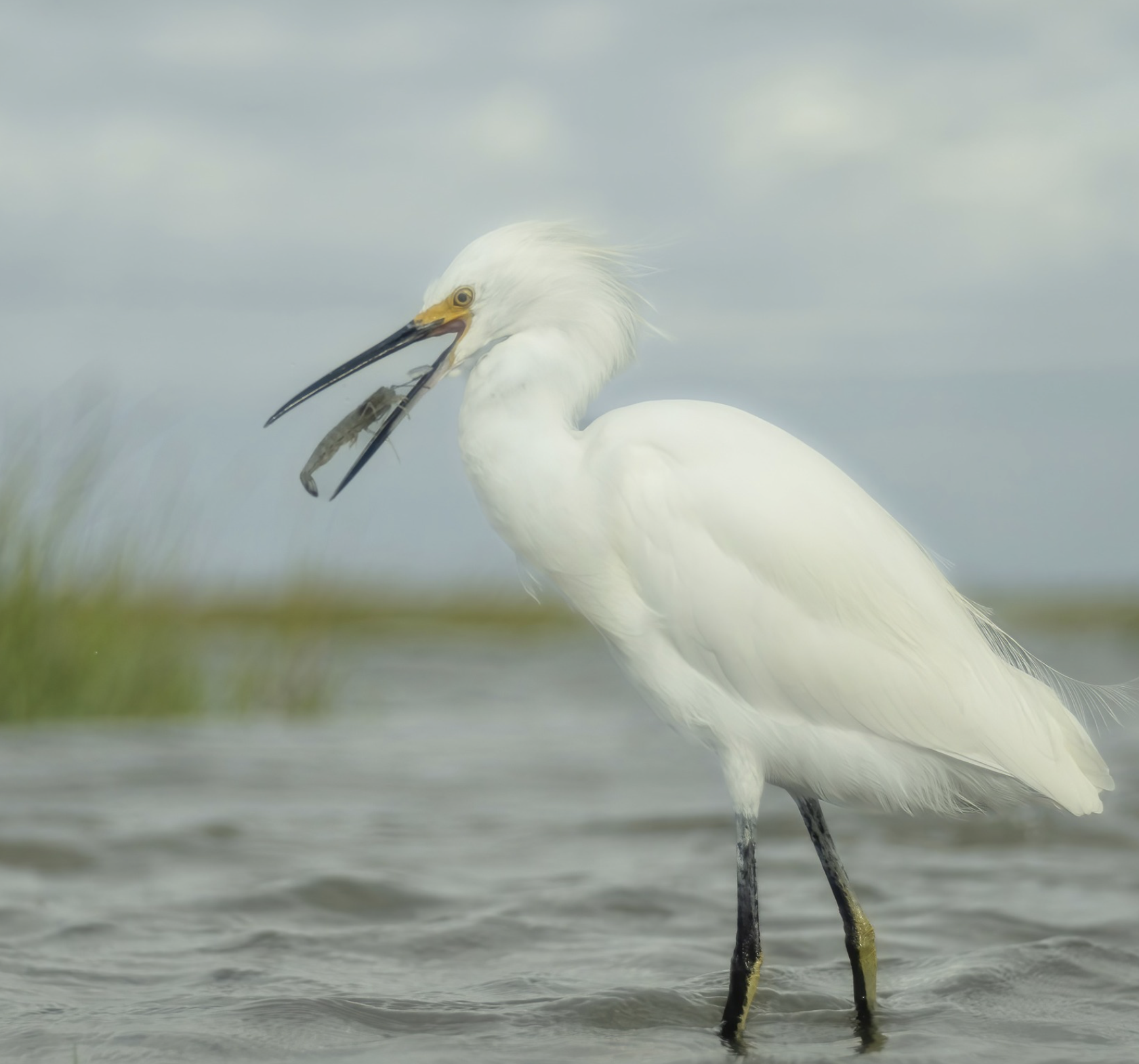
Feed
What it means: Actively searching for and eating food to meet daily energy needs.
How it looks: Probing sand or mud, picking insects from foliage, diving for fish, gleaning seeds, or visiting feeders; birds are usually alert, moving, and scanning.
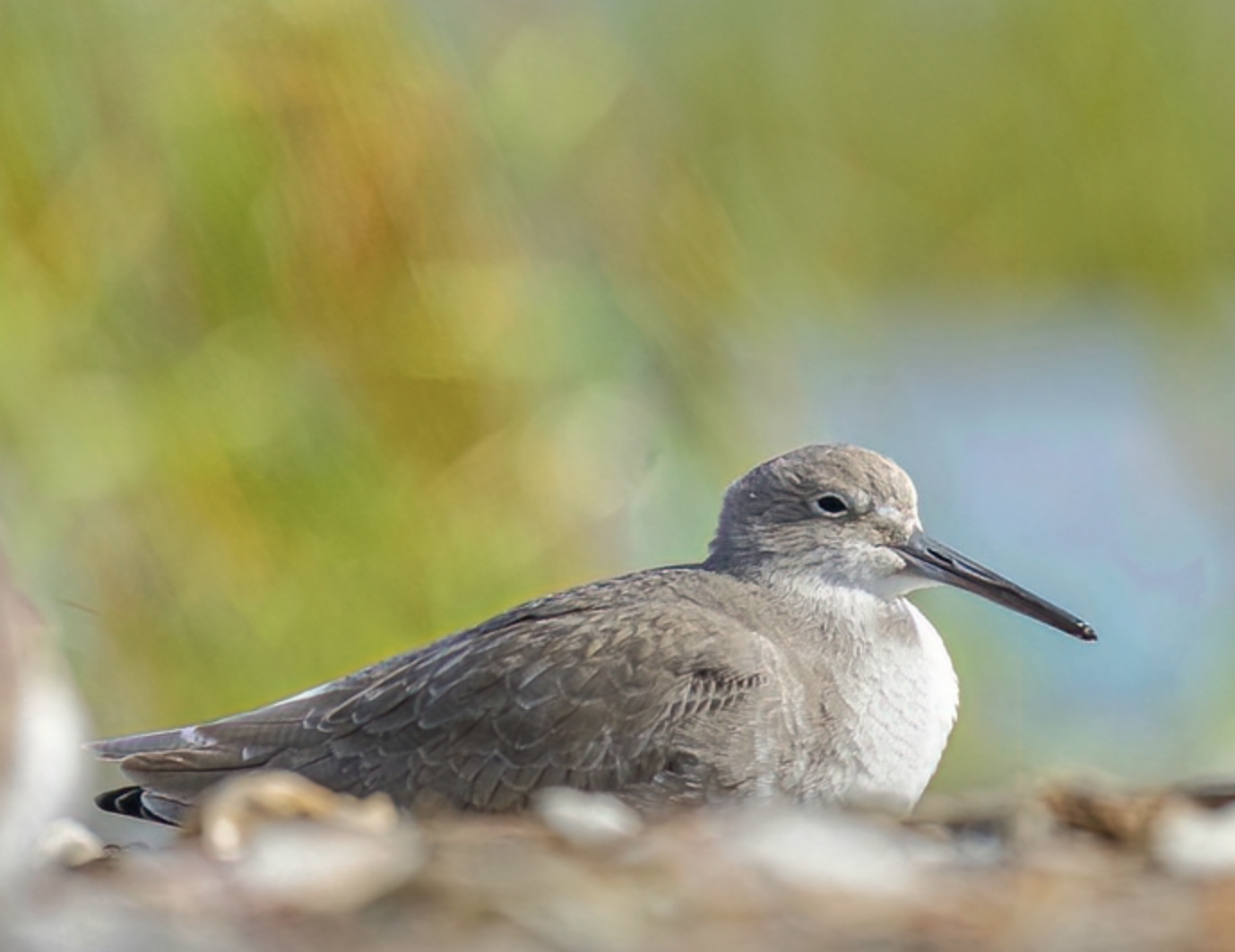
Rest
What it means: General downtime when a bird is inactive and conserving energy but not necessarily asleep.
How it looks: Perched quietly, standing on one leg, sitting on a sandbar or rock, eyes partially closed or simply relaxed, ready to move if disturbed.
Roost
What it means: Settling in a safe place specifically to sleep or spend the night (or day, for nocturnal species).
How it looks: Birds choosing a regular spot—trees, reeds, cavities, buildings, ledges—often tucking head into back feathers; sometimes gathering in groups for warmth and safety.
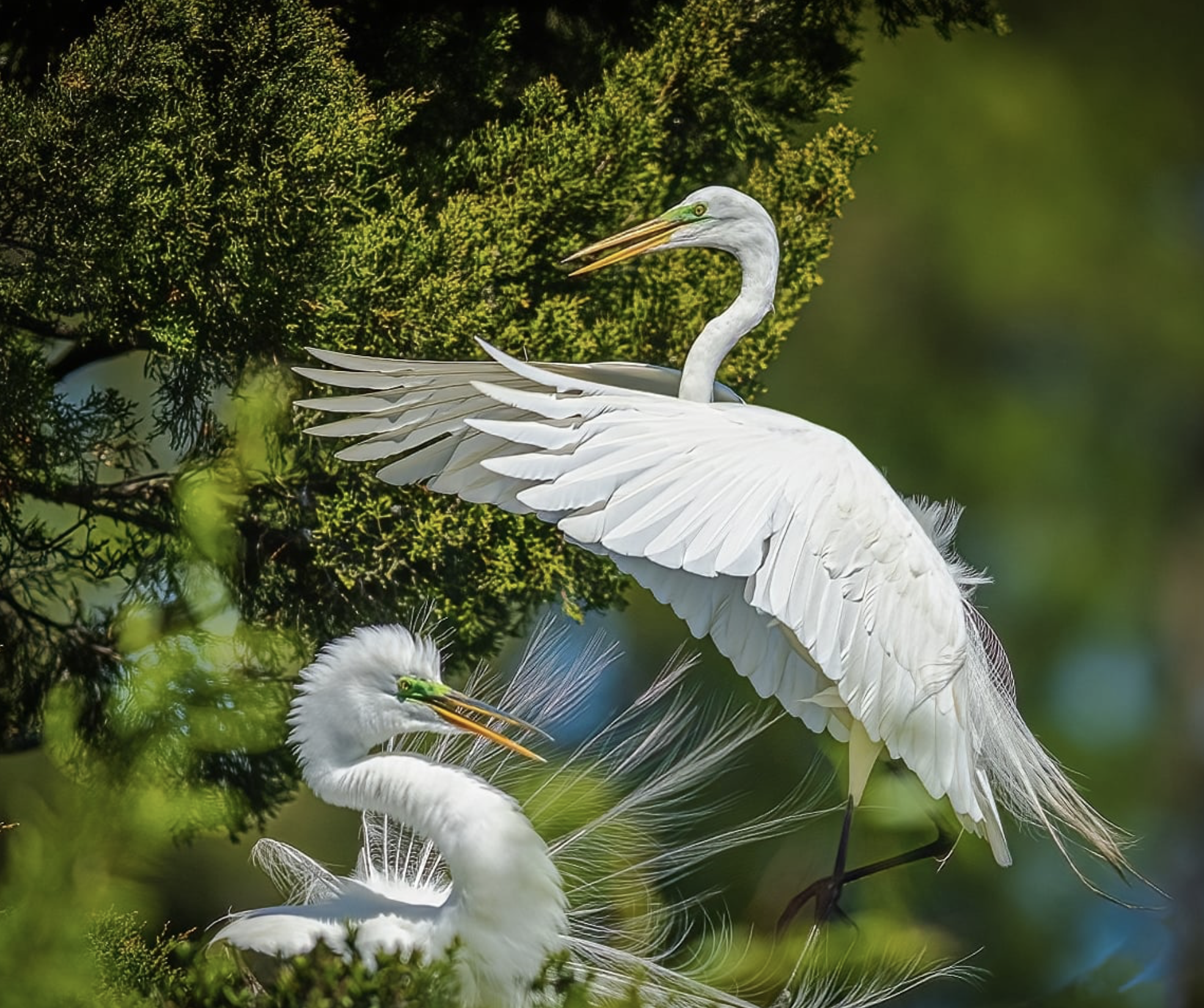
Breed
What it means: All behaviors related to reproduction: pairing up, nesting, laying eggs, and raising young.
How it looks: Courtship displays and songs, territorial defense, nest building, incubation, feeding chicks, and vigilant adults near nest sites.
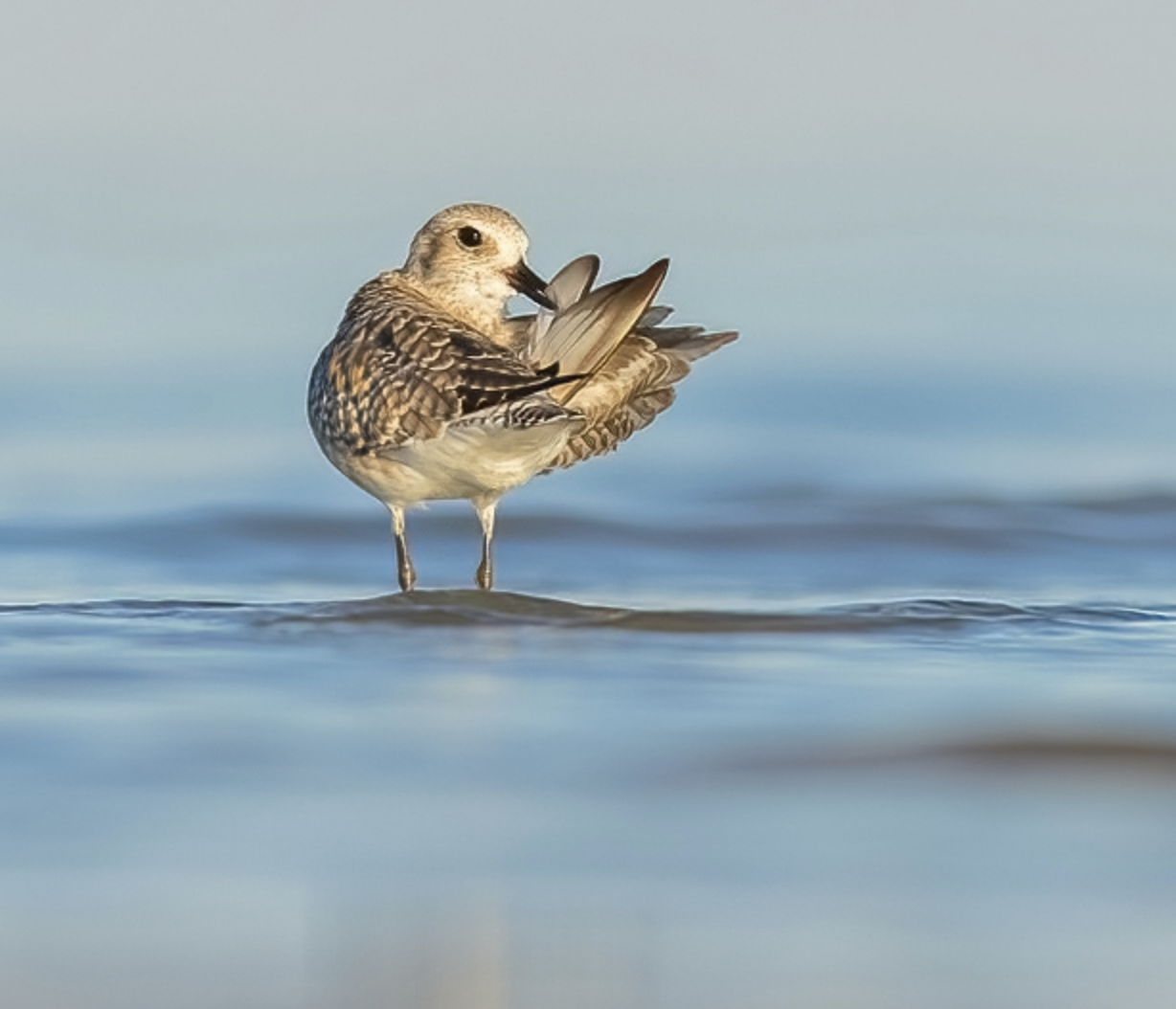
Preen
What it means: Cleaning and maintaining feathers to keep them in good condition for insulation, waterproofing, and flight.
How it looks: Birds running their bill through feathers, nibbling or “zippering” feather edges, spreading oil from the preen gland near the tail, sometimes twisting into funny positions to reach different areas.
And those behaviors shift with season, habitat, and available food sources.
A Practical Way to Think About Timing
1. Feeding Drives Activity
Birds are most active when they need food — but where they feed can shift throughout the day. Early mornings usually bring steady movement as birds replenish energy after the night. In coastal areas, feeding follows the tides; inland, activity might center on seed heads, berry shrubs, or insect-rich patches warming in the sun.
For example, where I live in spring:
Backyard birds like Eastern Bluebirds and Carolina Chickadees are in nesting season
They are actively using bird boxes
There is high feeder activity shortly after sunrise
But that doesn’t last all day.
As temperatures rise:
Insects begin to hatch
Natural food becomes more available
Birds shift away from feeders and into surrounding habitat
So while feeders may appear quiet, birds haven’t disappeared—they’ve just moved to a different food source.
2. Season Changes Everything
As the year turns, birds follow their own seasonal rhythm. Learning these patterns helps you know what to expect — and what surprises might appear — at different times of year.
Spring: Energy surges everywhere. Birds establish territories, sing to attract mates, and begin nesting. It’s the best time to practice identifying songs and calls since males are most vocal.
Summer: Activity spreads out. Adults are busy feeding young, and many species grow quieter once nesting begins. Early morning is prime time before the heat sets in.
Fall: Movement returns. Migration brings new species through as locals gather in flocks or disperse from breeding sites. You’ll see shifting numbers and changing plumage — a great time for variety.
Winter: Behavior settles. Many birds form mixed-species flocks or rely more heavily on feeders, offering reliable observation opportunities even on colder days.
Recognizing the seasonal rhythm of bird life turns any outing — from backyard watching to coastal walks — into a more informed and rewarding experience.
To understand how migration happens in coastal South Carolina, visit this link to download a free copy of Spring Flight: Bird Migration through the Lowcountry.
3. Habitat Matters
Understanding how birds use their surroundings will make your birding more successful and rewarding. Each habitat tells you something about where to look — and when.
If you’re birding along the coast, timing is everything, and the tides set the rhythm:
Falling tide: Exposed mudflats and sandbars reveal rich feeding areas where shorebirds actively forage for crabs, worms, and other invertebrates. You’ll often see a flurry of movement and feeding during this time.
Rising tide: As the water covers those feeding zones, birds move to higher ground, often to roost or preen. This is your chance to observe mixed flocks gathering closely together, great for spotting a variety of species at once.
Different habitats come with their own cues:
Woodlands and forests: Early morning offers peak activity as insectivores feed and songbirds defend territories.
Wetlands and marshes: Listen for rails, herons, and wading birds at dawn and dusk.
Open fields or grasslands: Look for raptors riding thermals or perched along fence posts during mid-morning hours.
Watching how birds use their environment — whether tide, light, or vegetation — gives you context for their behavior and helps you anticipate the best viewing opportunities.
What This Means for Beginners
Instead of planning your birding around a set time of day, start by asking questions that tune you into what’s happening around you:
What are the birds doing right now? Are they feeding, resting, or nesting? Active feeding often comes with more calls, movement, and visible foraging behaviors.
Where is their food source? Insects, seeds, berries, mudflats, or fish — the location of food explains where the birds are. If you can spot the food source, the birds won’t be far behind.
How does the season influence behavior? Migration, nesting, or molting seasons all affect when and where birds appear. Spring and fall bring movement and variety; mid-summer often quiets as birds focus on raising young.
When you combine these questions with an awareness of habitat — whether woodland trail, tidal flat, or backyard feeder — you move from “just looking” to observing like a naturalist. The more you connect bird behavior to season, habitat, and food availability, the easier it becomes to predict where to look next.
What You Actually Need (Keep This Simple)
Outdoor Clothing and Accessories
Getting outside comfortably matters more than most beginners expect—especially in warmer or changeable climates, buggy environments, or wet terrain.
👉 Read my checklist on What to Wear Birding: A Guide to Practical Clothing and Accessories
Binoculars
Binoculars are labeled with numbers like 8x42 or 8x50—but what do those actually mean?
The first number (8x) is the magnification, meaning the bird appears eight times closer. The second number (42 or 50) refers to the size of the front lens, which affects how much light the binoculars let in. In practical terms, 8x42 is a great all-around choice—bright, lightweight, and easy to use for beginners.
👉 Here is my short list based on a variety of choices:
Celestron – Compact TrailSeeker ED 8x42
ZEISS - Compact Terra ED Binoculars 8x42
Nikon 7246 Action 12x50 EX Extreme All-Terrain
A Practical Tool That Actually Helps: Merlin Bird ID
From personal experience, I’ve watched familyand friends become birders simply by using one tool: Merlin Bird ID.
It’s available for free on the App Store (iOS) and Google Play (Android), and it removes one of the biggest barriers for beginners—not knowing what you’re looking at or hearing. From experience, it may be helpful to have a Portable smartphone charger to ensure your phone stays powered for field apps like Merlin Bird ID which can drain battery.
👉 Learn more about Merlin ID and to download the app.
What Merlin Bird ID Actually Does
Merlin helps you identify birds in three primary ways:
1. Sound ID
Detects bird sounds in real time
Suggests likely species
Highlights which bird is vocalizing
Many birds are heard before they are seen—this is where Merlin is most useful.
2. Photo ID
Upload or take a photo
Get suggested matches
3. Step-by-Step Identification
Size
Color
Behavior
Location
How to Use Merlin Effectively
Observe first → Use Merlin → Confirm visually
Field Guides (More Valuable Than You Might Think)
While apps like Merlin Bird ID are incredibly effective for quick identification, physical field guides remain one of the most valuable tools.
Field Guides Worth Starting With
The Sibley Guide to Birds
👉 Eastern Birds
National Audubon Society Field Guide to North American Birds
👉 Eastern Birds
Peterson Field Guide to Birds of North America
Kaufman Field Guide to Birds of North America
How to Identify Birds (What Actually Works)
For most beginners, the fastest way to improve is to ignore perfection and focus on a few big clues you can see (and remember) every time.
Size and shape
Think in comparisons, not inches.
Ask: “Is it closer to a sparrow, robin, crow, or goose in size?” That simple mental scale narrows things quickly.
Notice overall shape: long and skinny or short and chunky; big head or small head; long tail or stubby tail; thick finch-like bill or slender warbler-like bill.
Pay attention to silhouettes: even in bad light, the outline of the bird often tells you more than color ever will.
Behavior
Behavior is often the best clue when colors are confusing.
Look at how it moves: creeping along branches, hovering, running and stopping, constantly wagging its tail, or bobbing its rear end.
Notice feeding style: diving, dabbling, probing, hawking insects in midair, or scratching on the ground.
Watch its social style: alone, in pairs, in tight flocks, or loosely scattered. These patterns are surprisingly consistent for many species groups.
Habitat
Where you see the bird is just as important as what it looks like.
Zoom out and ask: “Beach, marsh, forest, backyard, pond, open field, or urban?” Many species are strongly tied to certain habitats.
Think about micro-habitat: high in the canopy, mid-level in shrubs, on the ground, on open sand, at the water’s edge, or out on open water.
Season and location matter too: some birds are only around at certain times of year or in certain regions, which can quickly rule out look-alikes.
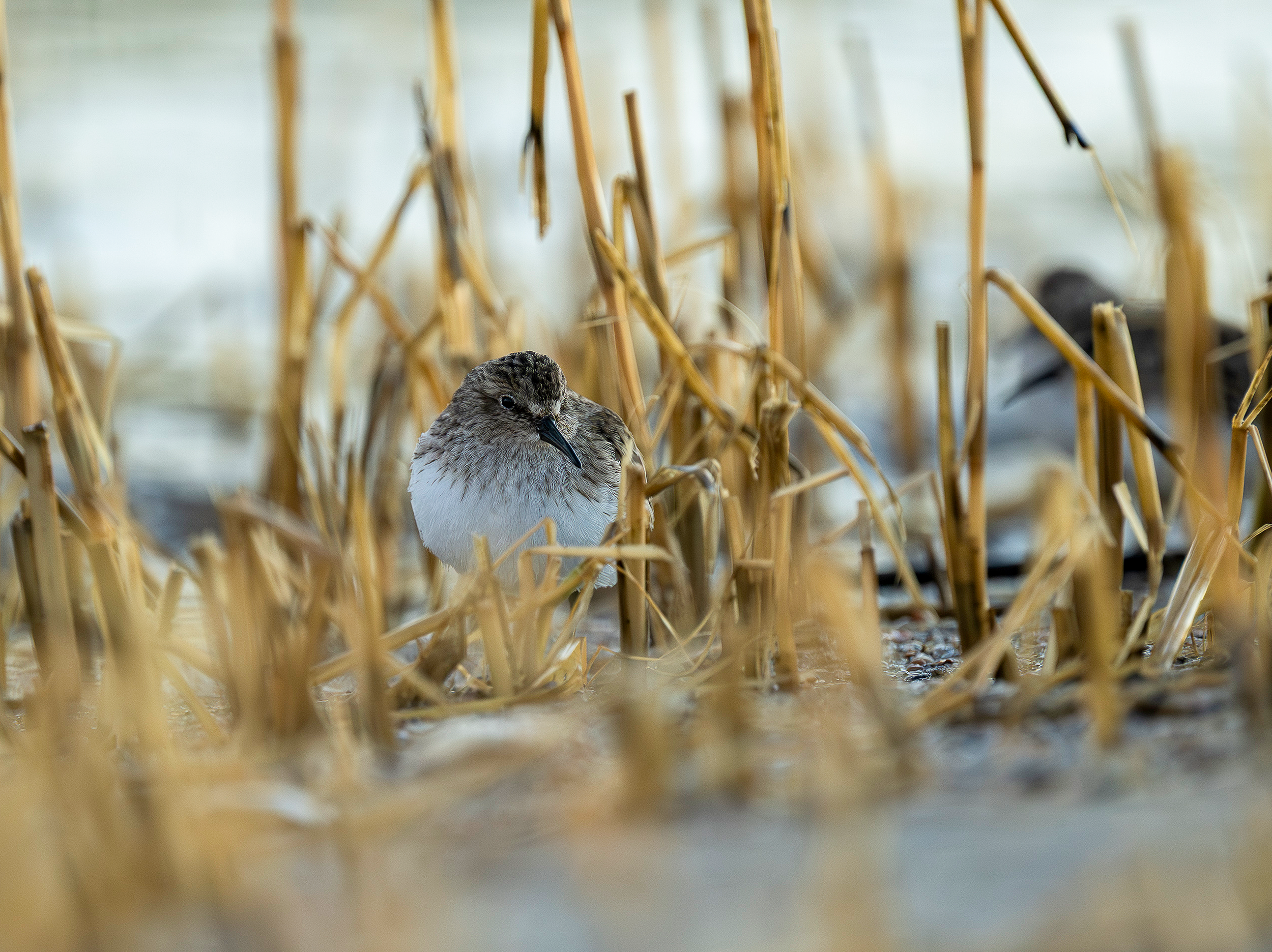
Least Sandpiper
Pattern
Pattern beats color almost every time.
Look for big, simple blocks: bold eye stripe, wing bars, chest band, spots or streaks on the breast, contrasting tail corners, or a “cap” on the head.
Notice light vs dark: is the bird mostly pale with dark markings, or mostly dark with lighter highlights? Does it have a solid back and patterned breast, or the reverse?
Try to remember one or two standout features instead of everything: “thin bill, tail pumping, white outer tail feathers” is far more useful than a fuzzy list of colors
7 Practical Tips That Make a Difference Immediately
Start with familiar birds close to home
Begin with the birds you already recognize in your yard, neighborhood, or local park. Starting close to home makes it easy to return often and notice changes over time.Go out when birds are most active
Aim for early morning or evning, when birds are more vocal and visible and the light is softer. Even a short outing at these times can be surprisingly productive.Stay in one place longer
Instead of constantly walking, choose a good spot and linger. After a few quiet minutes, birds that were hidden often start to call, move, or come into view.Use sound as your primary cue
You will hear more birds than you see, so let your ears lead your eyes. Apps like Merlin can be a huge help here, giving you instant feedback on which birds are singing around you and helping you connect sounds with names. Start by learning just a few common calls at first so you have “reference voices” to build on, then gradually add new species as your ear improves..Let light and clothing work for you
Keep the sun at your back whenever possible so birds are lit rather than silhouetted. Wear quiet, neutral clothing so your movement draws less attention.Focus on behavior and simple notes, not perfection
Watch how birds move, feed, and interact instead of obsessing over every feather detail. Jot a few notes—date, place, size, colors, behavior—to sharpen observation without pressure to identify everything.Go often, return to the same places, and stay comfortable
Short, frequent outings help you improve faster than occasional big trips. Revisit the same spots to learn their “regulars,” and bring water, sun/bug protection, and comfortable shoes so birding stays enjoyable.
Responsible Birding
Keep distance
Avoid disturbance
Stay on trails
Respect posted areas
👉 Read How to Photography Birds Safely (this applies to observing birds as well)
Birding Can Be Solitary—or Social
One of the things that makes birding accessible is that it doesn’t have to look the same for everyone.
For some people, birding is quiet and personal. It’s time spent in your backyard, a local park, or a familiar neighborhood—returning to the same places and noticing what changes. There’s no pressure to identify everything or keep a list. It’s simply a way to slow down and pay attention.
For others, birding becomes more social.
Joining a local organization like National Audubon Society or a community bird club can be one of the fastest ways to learn. Group walks and field outings introduce you to:
More experienced birders
New locations
Different ways of observing and identifying birds
It also gives you the benefit of shared knowledge—someone else may notice or identify something you would have missed on your own.
Both approaches are valid.
You can spend one day quietly observing birds in your backyard, and another learning alongside others in the field. Over time, most birders find a balance between the two.
I’ve found value in both—quiet observation and learning from others—depending on what I’m looking for that day.
Final Thought: Find Your “Spark Bird”
If you spend enough time outside watching birds, there’s often one moment—one bird—that shifts things.
Birders sometimes call this a “spark bird”—the species or encounter that first draws you in and makes you want to pay closer attention.
It doesn’t have to be rare. In fact, it usually isn’t.
For me, it was a Great Blue Heron.
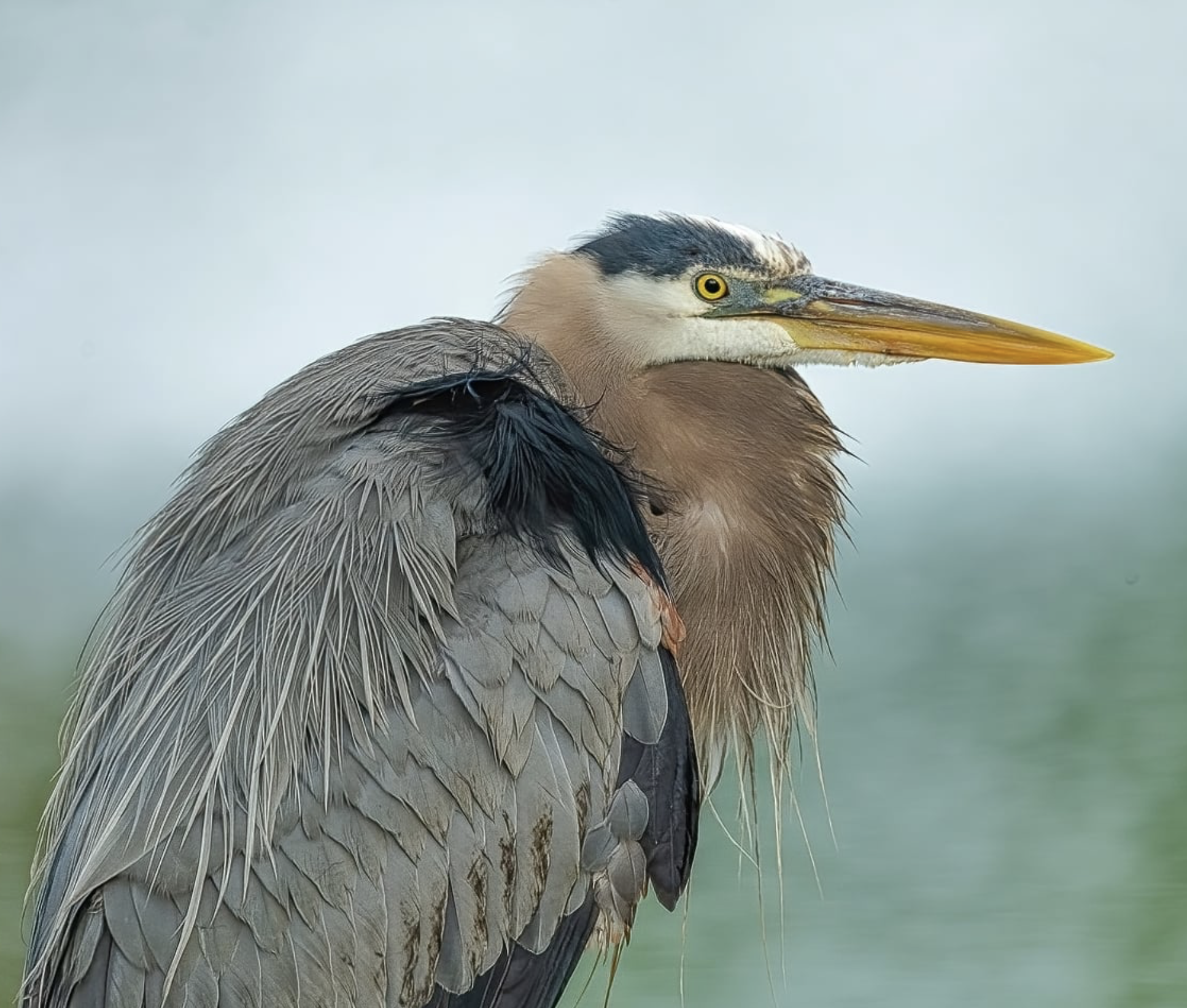
I remember being out on a small boat fishing on a pond when I was younger. A Great Blue Heron flew low and silently over my head. At the time, I didn’t have the words for it—but I remember thinking it looked like something prehistoric, almost like a pterodactyl. The size, the slow wingbeats, the way it moved without sound—it stayed with me.
Years later, after I moved to the coast, I had a similar moment with a Little Blue Heron. Seeing one in breeding plumage—the deep blue with that subtle purple tone—was something entirely different. It made me stop and look more closely, not just at the bird, but at everything around it.
That’s really where birding begins.
Not with a checklist or a field guide—but with a moment that catches your attention and stays with you.
What bird got you started?
If you’d like to explore these habitats with a local guide, you can learn more about my guided birding and bird photography outings click here.
Hilton Head Island and the surrounding Lowcountry offer some of the best coastal birding on the Atlantic Flyway, and I’m always happy to help visitors and local residents discover the birds and habitats that make this region so special.
You can learn more about Hilton Head’s birds, habitats, and photography in my book Flight Through the Seasons, available on Amazon.
Disclosure: This post contains Amazon affiliate links. As an Amazon Associate, I earn from qualifying purchases.