Conservation and Habitat
Birds cannot be separated from the habitats and natural forces that sustain them. Tides determine where shorebirds feed and rest. Weather reshapes beaches, marshes, and migration conditions. Native plants support insects, birds, and other wildlife. Changes to any part of an ecosystem can affect the species that depend on it.
These articles explore the relationships among birds, habitat, weather, and conservation. Through stories from shorelines, wetlands, marshes, backyards, and coastal waters, I consider the conditions birds need, the pressures they face, and the importance of protecting the places where their lives unfold.
Articles
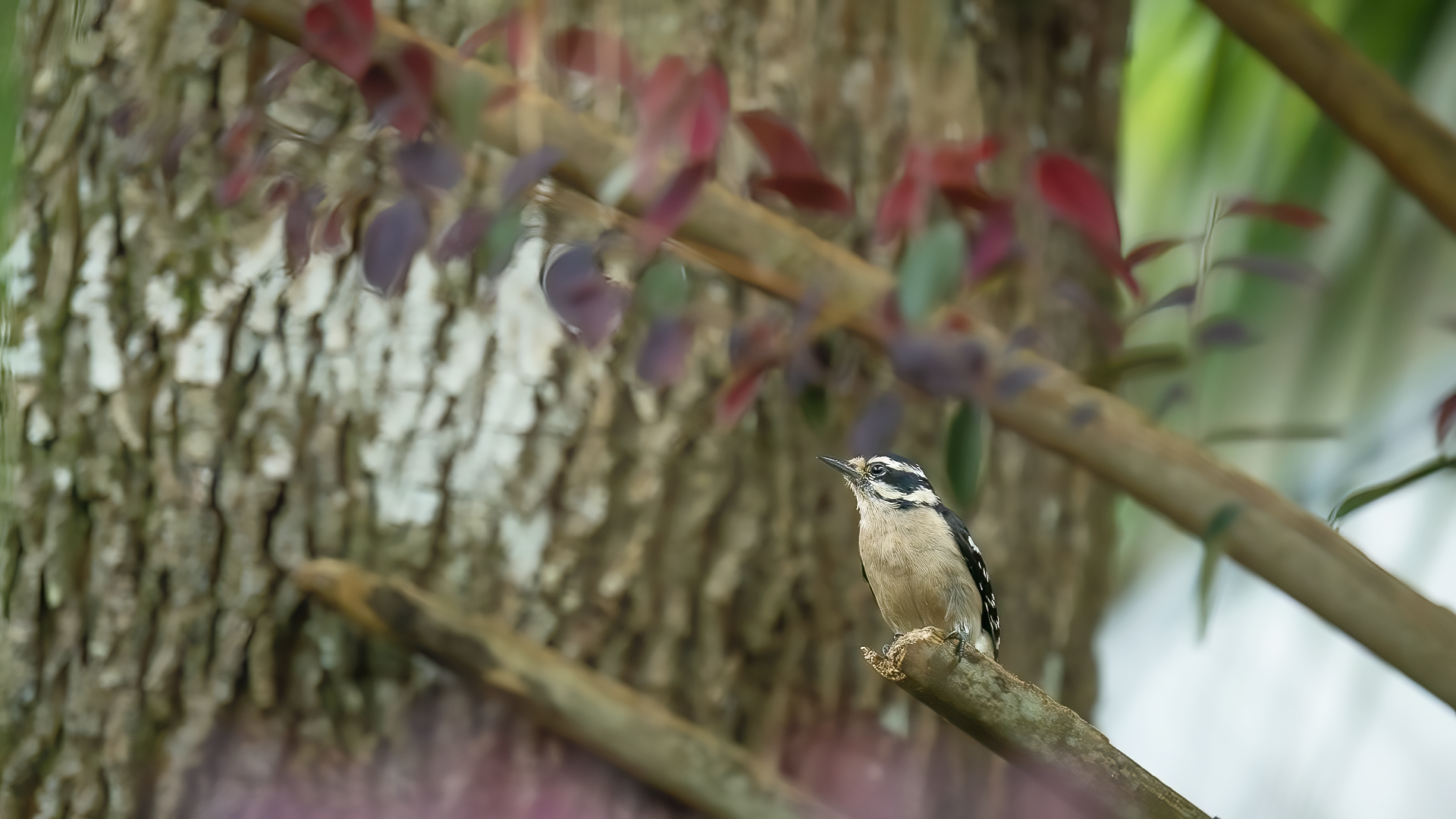
Explore backyard birds in spring through Earth Day field notes from Hilton Head Island, and see why native trees, caterpillars, and water matter more than seed for nesting birds—a lesson that holds true in backyards everywhere.
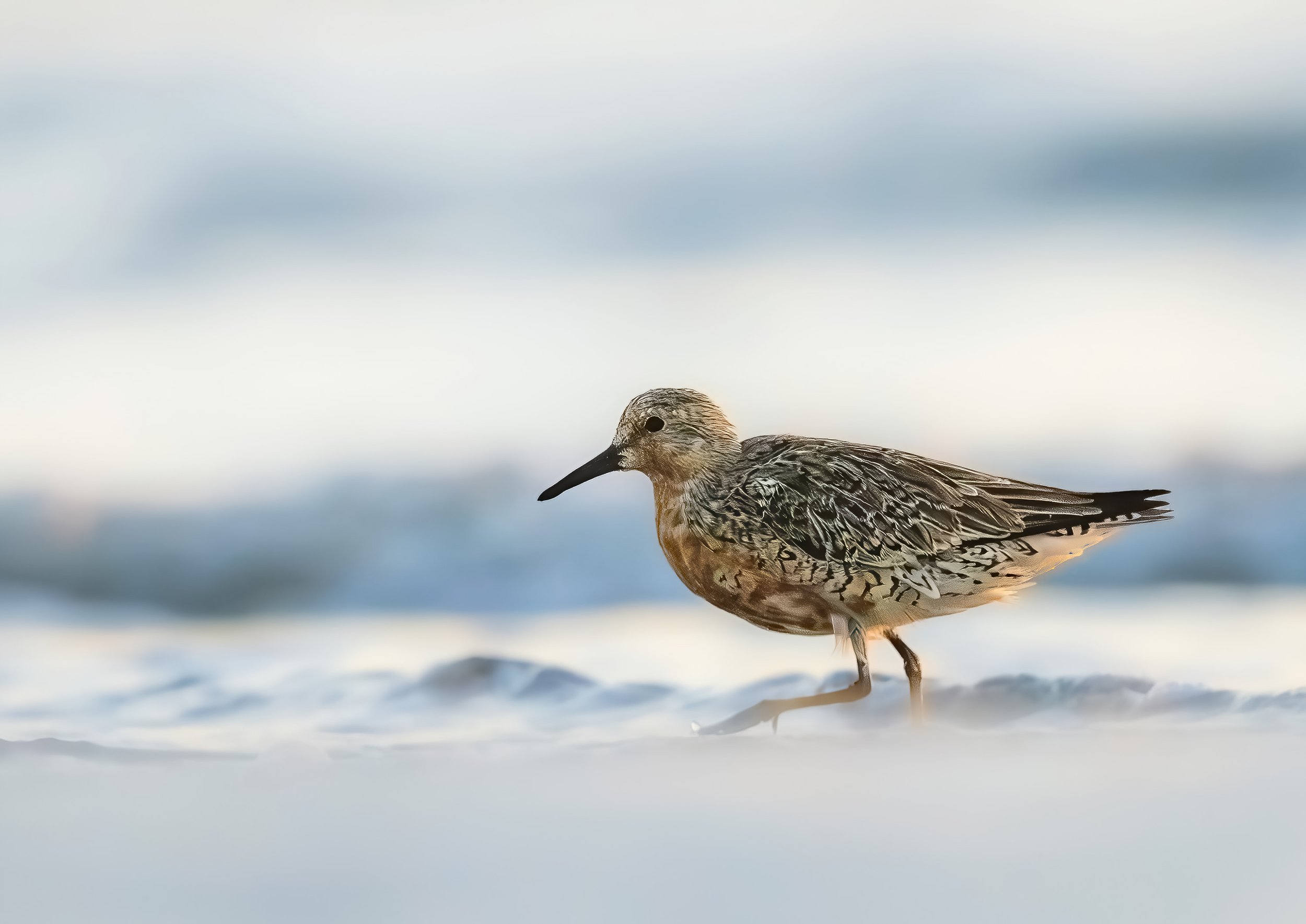
Discover Red Knots on Hilton Head Island during spring migration. Learn why this Orange Alert “tipping point” shorebird depends on Lowcountry mudflats to rest and refuel along the Atlantic Flyway.
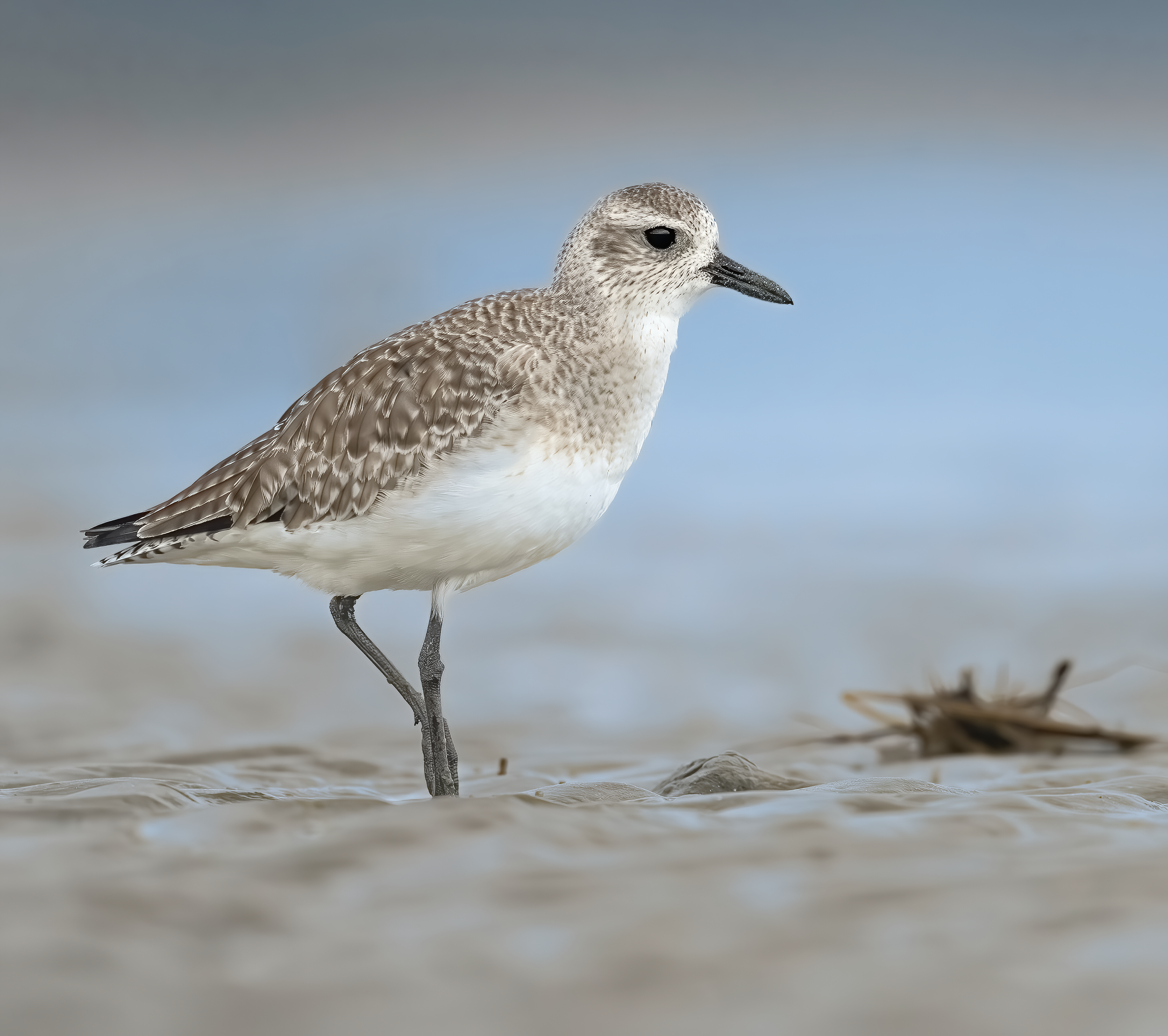
How to identify the Black-bellied Plover on Hilton Head Island through the seasons of migration. Plus its plumage, feeding habits and Orange Alert conservation status.
A field account from Hilton Head Island’s Port Royal Sound at high tide, featuring shorebird behavior. Least Sandpiper foraging among marsh grasses and pluff mud, Black Skimmers and gulls roosting, White Ibis preening and foraging.
After Hurricane Milton passed offshore, I found myself immersed in a rare, up-close encounter with two egrets feeding in a storm-swept marsh. As the tide receded, Snowy and Great Egrets feasted on large shrimp, pushed inland by the surge, circling just feet from my lens. In 'Tides, Winds, and Egrets: A Post-Hurricane Marsh Experience,' I share the stunning details of this unforgettable moment in nature.
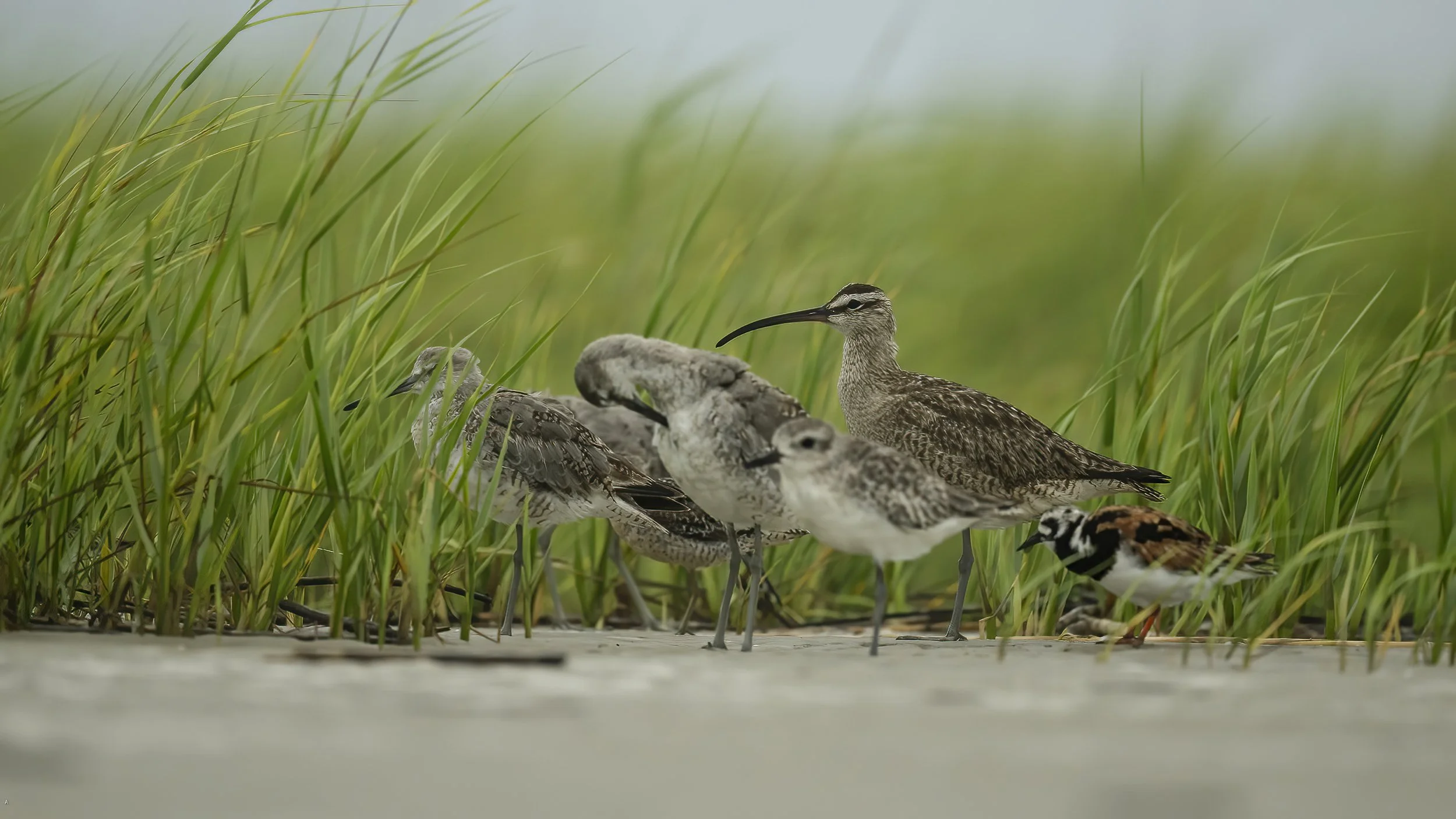
During Tropical Storm Debby, shorebirds on Hilton Head Island huddled together for shelter, with smaller species like dunlins and least sandpipers using larger birds as windbreaks. Early migrants such as whimbrels and marbled godwits were found among the flocks, highlighting the start of shorebird migration in mid-August. Seabirds, including four species of terns and Black Skimmers, also sought refuge in the marshes, demonstrating the resilience and adaptability of coastal wildlife during extreme weather.